
International Training Program Held in Porto as Part of the PURSUE Project
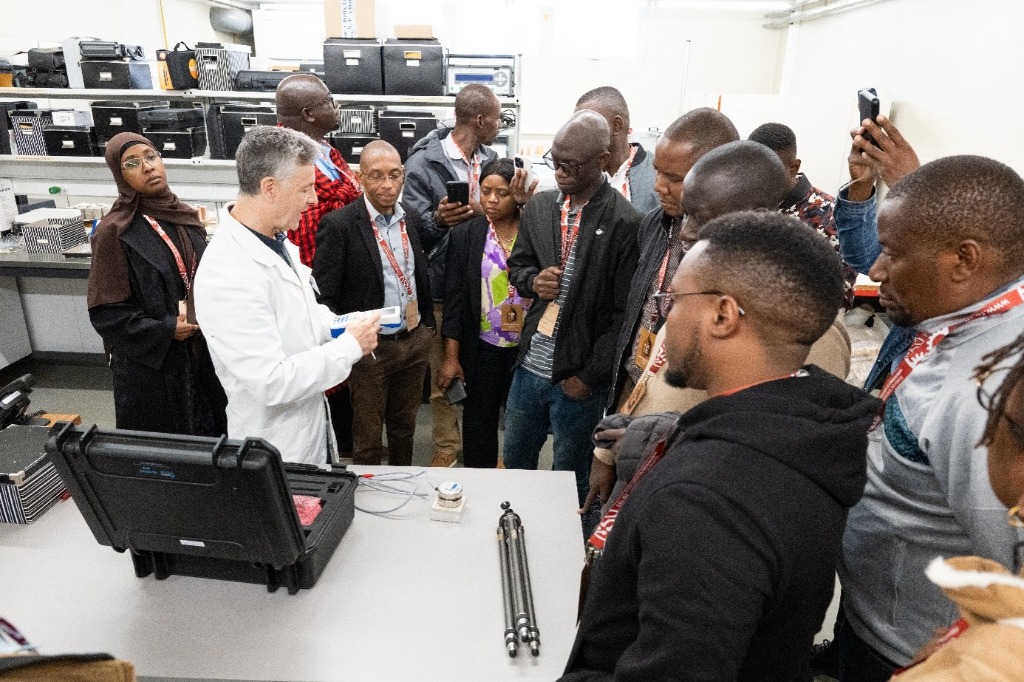
International Training Program Held in Porto as Part of the PURSUE Project
As part of the Erasmus+ Capacity Building Project PURSUE (Promoting Sustainable, Affordable Housing Construction Technologies Using Environmentally Sound Locally Available Resources), coordinated by Sakarya University, an international in-person training program was held at the Faculty of Engineering (FEUP) of the University of Porto in Porto, Portugal, from May 4-9, 2026.
Organized with the participation of academics, researchers, and project partners from Turkey, Portugal, Tanzania, Somalia, and Mozambique, the program aimed to promote the use of sustainable and environmentally friendly local building materials and to enhance the capacity of higher education institutions in the partner countries in this field.
Welcome and Opening Sessions
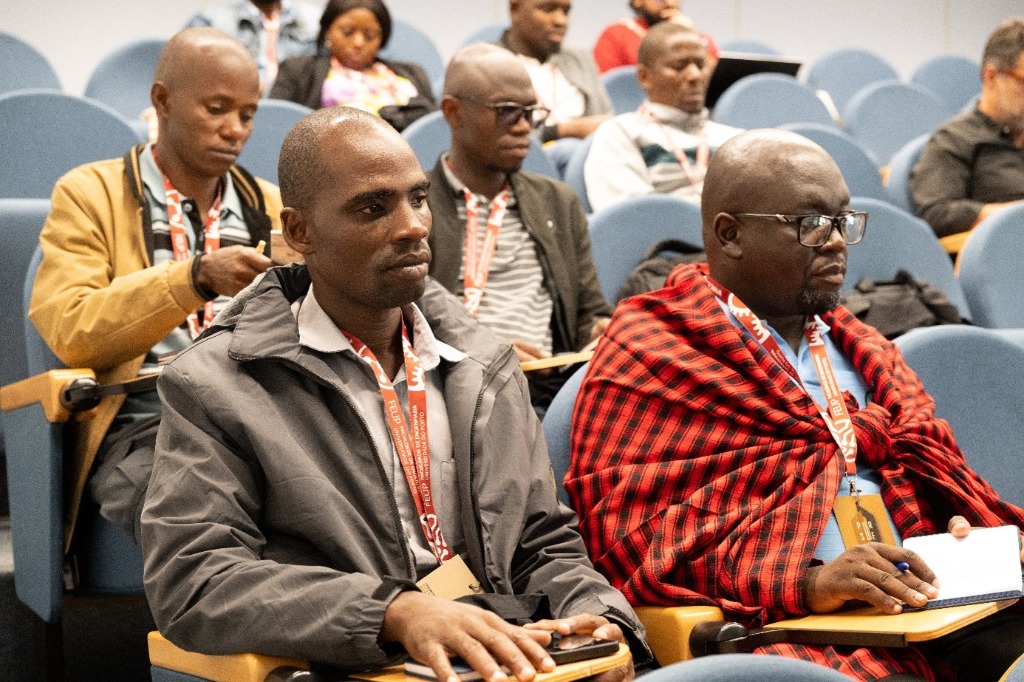
At the program’s opening, Head of Order of Engineers - Northern Region (OERN) Antonio Adao da Fonseca, FEUP Dean Prof. Rui Çalçada and Department Chair of Civil Engineering Prof. Francisco Taveira Pinto welcomed the participants and emphasized the importance of sustainable building technologies. The opening session also featured a project presentation and addressed the current applications of traditional earthen construction techniques, innovative approaches, and housing challenges faced in African countries.
Theoretical and Practical Instruction
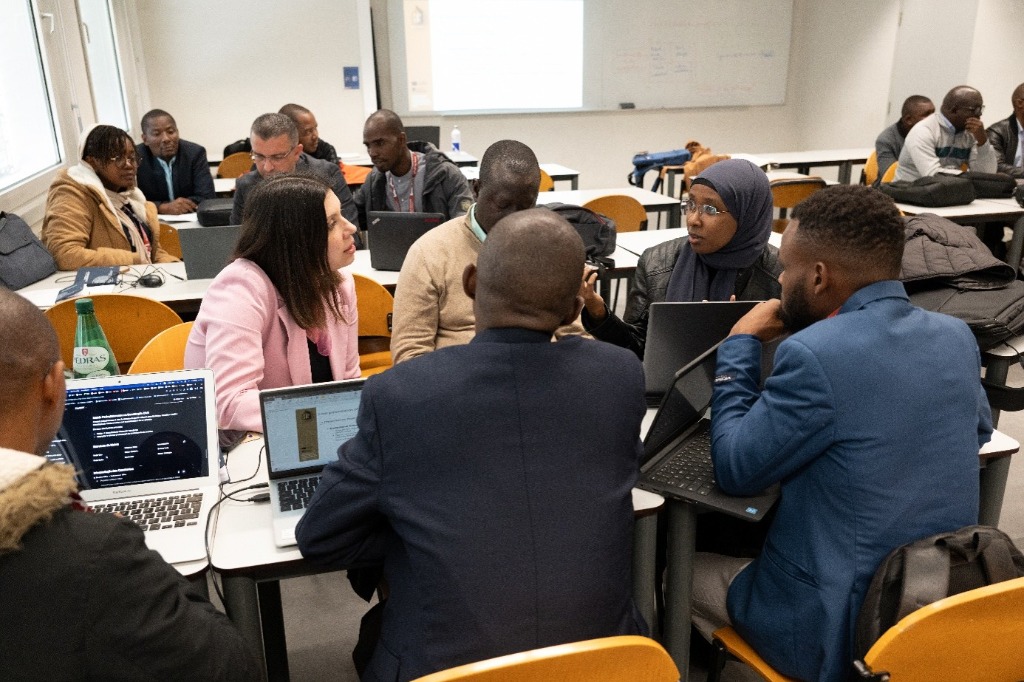
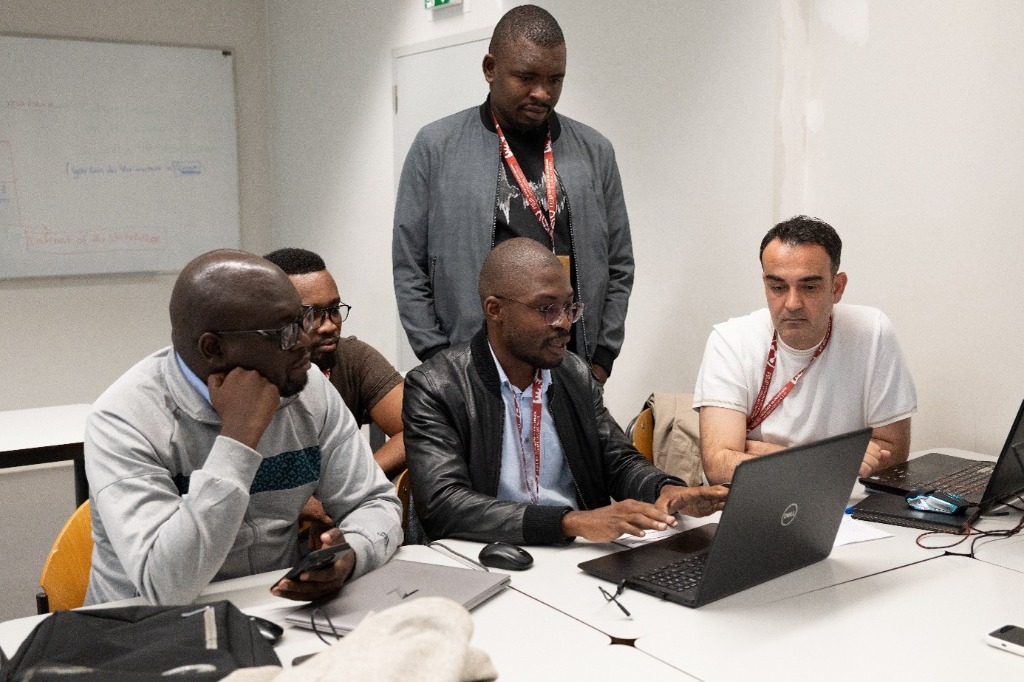
Throughout the training, participants received theoretical and practical instruction on traditional earthen construction systems, the behavior of earth-based building materials, structural design principles, soil characterization, standard laboratory tests, thermal and hygrothermal performance evaluations, and digital fabrication technologies.
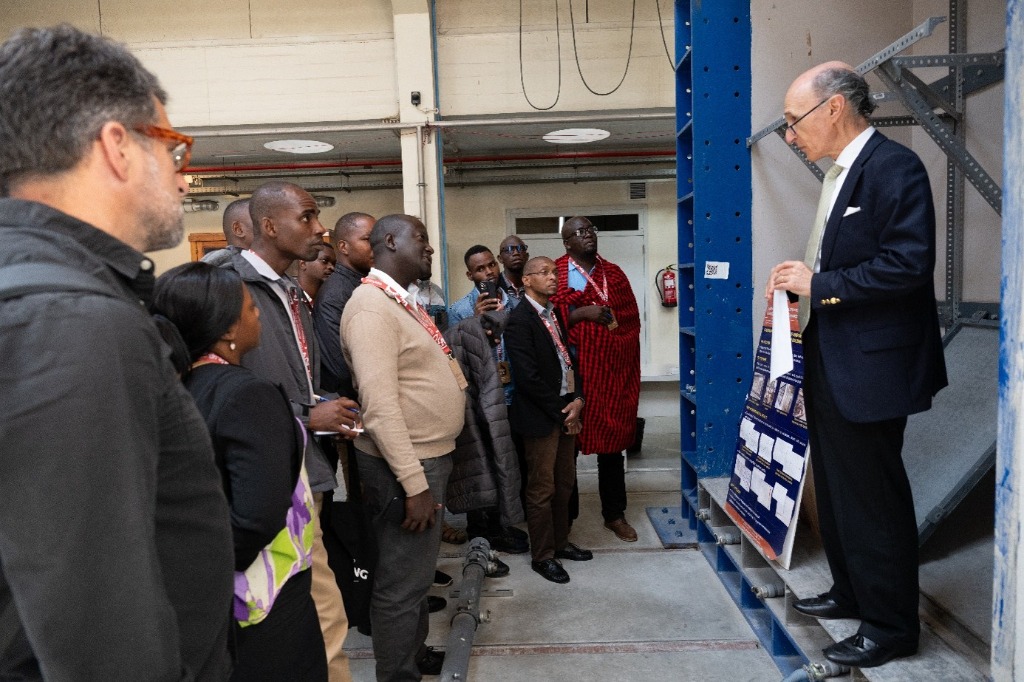
Through practical sessions conducted at the Building Physics, Building Materials, and Building Laboratories within FEUP, participants had the opportunity to examine firsthand the latest methods for evaluating the mechanical, physical, and environmental performance of earth-based building materials.
Gallery